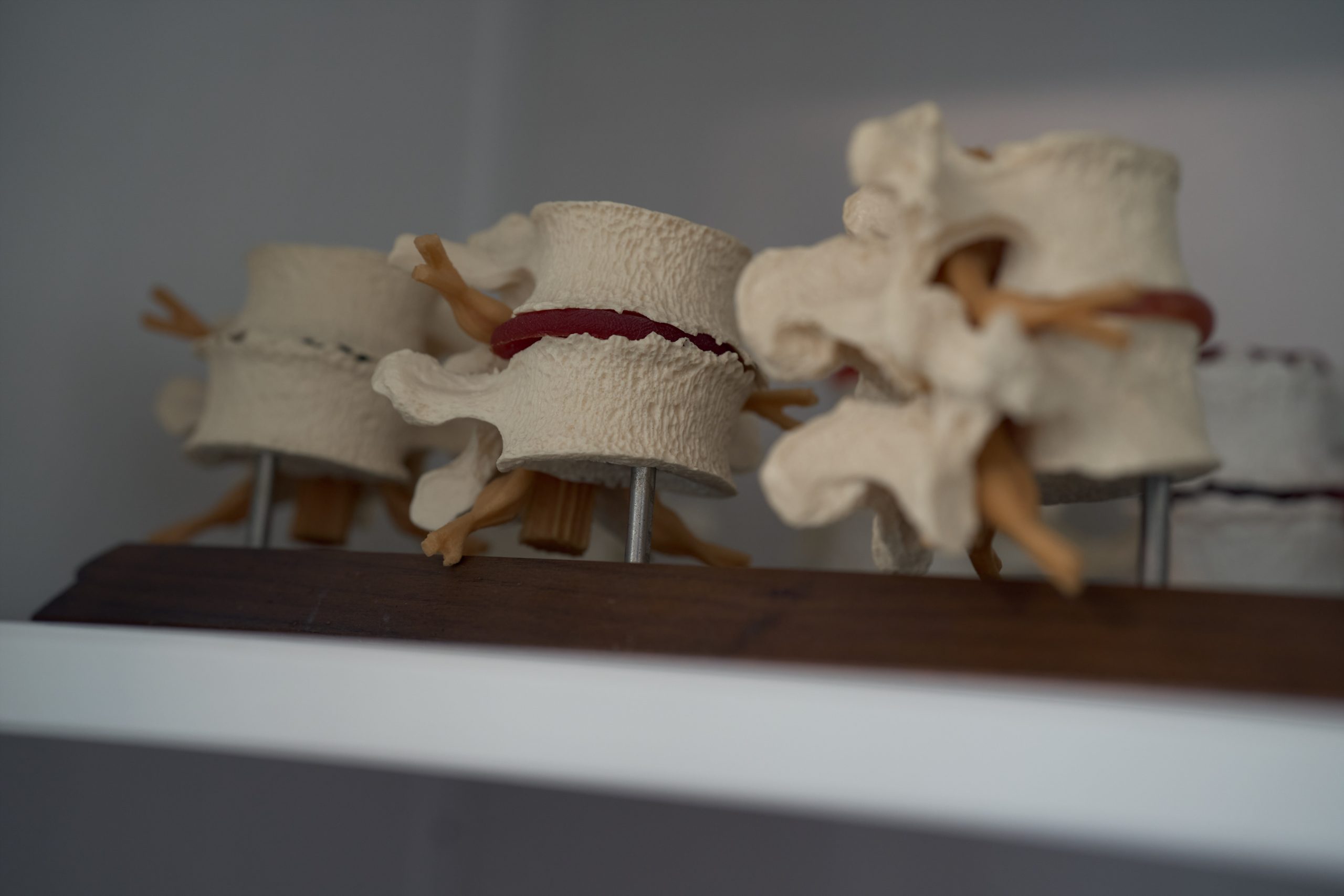
Is Only the Spine Being Treated?
If you’ve been dealing with back pain, neck tension, or posture issues, here’s one important question to consider:
Is only the spine being treated?
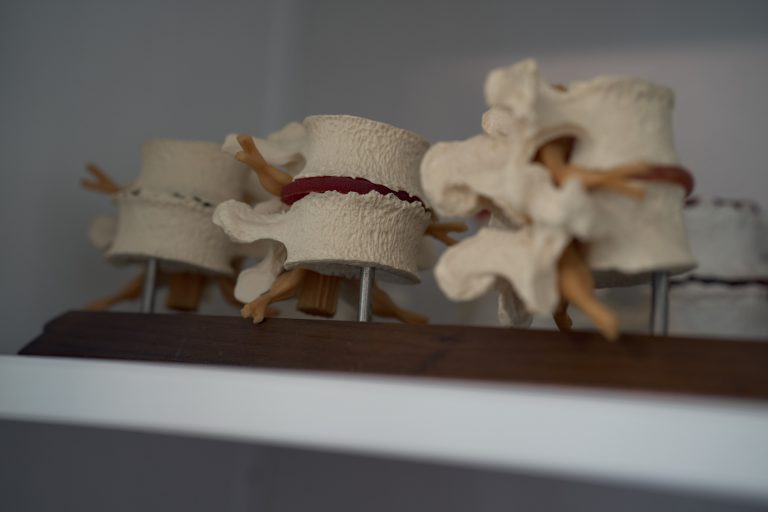
This often surprises people – but spinal pain is frequently a symptom, not the root cause. In many cases, the true issue lies elsewhere in the body.
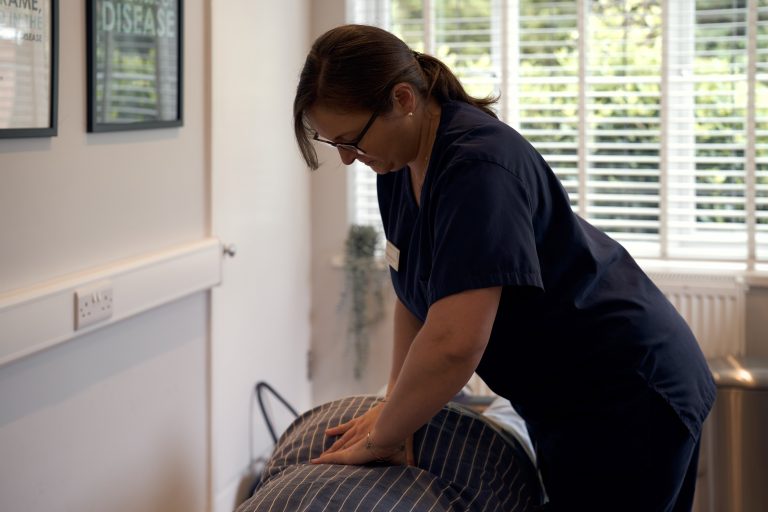
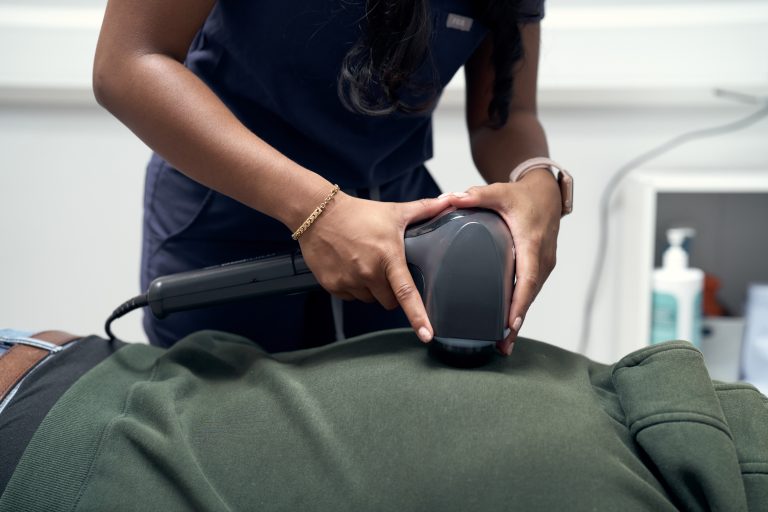
At Sevenoaks Chiropractic Clinic, the team often sees patients whose pain stems from compensation patterns in areas like the hips, knees, feet, or even shoulders. Treating the spine alone may offer temporary relief – but lasting improvement often requires looking at the whole picture.
Back Pain Doesn’t Always Start in the Back
It’s natural to assume that pain in the back means something is wrong with the back. But the body is a connected system, and dysfunction in one area can place strain on others.
Common causes of spinal stress from outside the spine include:
- Tight hips affecting lower back alignment
- Weak glutes or core muscles leading to instability
- Flat feet or collapsed arches impacting posture
- Shoulder stiffness causing neck or upper back tension
- One-sided movement habits (e.g. carrying a bag or child on one side)
Without addressing these underlying issues, spinal symptoms are likely to persist or return.
Have you ever discovered that your pain was coming from a completely different part of your body? It happens more often than you might think.
Are the Extremities Being Checked?
While all chiropractors are trained to assess and treat the spine, not all have the experience or focus to properly evaluate extremities – such as the arms, legs, feet, and hands.
At Sevenoaks Chiropractic Clinic, assessments often go beyond the spine and may include:
- Joint mobility checks in the shoulders, hips, knees, and ankles
- Analysis of gait, posture, and walking patterns
- Identifying any muscle imbalances or compensations
- Looking at daily movement habits and ergonomics
If extremities are never being considered, a key piece of the puzzle might be missing.
The Body Works as a Chain
Everything in the body is connected. A dysfunction in one joint can create a ripple effect through the entire musculoskeletal system.
For example:
- A flat foot can alter knee alignment
- That can shift the position of the hips
- Which changes how the pelvis moves
- Eventually leading to stress on the lower back
If only the spine is being treated, care is focused on the symptom, not the cause.
What to Look for in Whole-Body Chiropractic Care
The team at Sevenoaks Chiropractic Clinic takes a more comprehensive approach, which may include:
- Full extremity assessments
- Functional movement testing to see how the body works under load
- Evaluation of muscle strength, flexibility, and balance
- Postural and ergonomic advice tailored to each individual
- Rehabilitation exercises to support stability and long-term results
This broader perspective is essential for lasting progress – not just short-term relief.
Questions Patients Should Be Asking
Whether you’re already in care or exploring your options, it’s worth asking your provider:
- “Could my feet, hips, or shoulders be contributing to my pain?”
- “Do you assess joints and muscles outside the spine?”
- “What can I do at home to support my recovery?”
Our practitioners at Sevenoaks Chiropractic Clinic believe patients deserve answers – and a clear understanding of what’s causing their symptoms.
Ready to Look Beyond the Spine?
If you’ve been receiving spine-only treatment without meaningful improvement, there may be more to the story.
Sevenoaks Chiropractic Clinic offers whole-body assessments designed to uncover the true source of pain – not just manage the symptoms. Whether you’re dealing with a long-term issue or something more recent, their experienced team is here to help you move better and feel better.
Book a consultation today to find out what’s really going on – and how a more complete approach could make all the difference.