Gardening Tips for a Healthy Spine
Spring is here, and with it comes both the urge to garden and the potential for back strain. Fortunately, you’ll find that maintaining a healthy spine while pursuing your passion doesn’t have to be a challenge. You don’t need to sacrifice your love of gardening due to back pain concerns, as there are numerous ergonomic approaches and specialized tools that can protect your spine. Whether you’re a seasoned gardener or just starting out, understanding proper body mechanics and garden setup can transform your outdoor experience into a sustainable, pain-free activity.
Key Takeaways
- Use long-handled garden tools to maintain an upright posture and minimize bending, preventing strain on your spine.
- Garden in raised beds positioned at 2-3 feet high to eliminate excessive stooping and maintain proper spinal alignment.
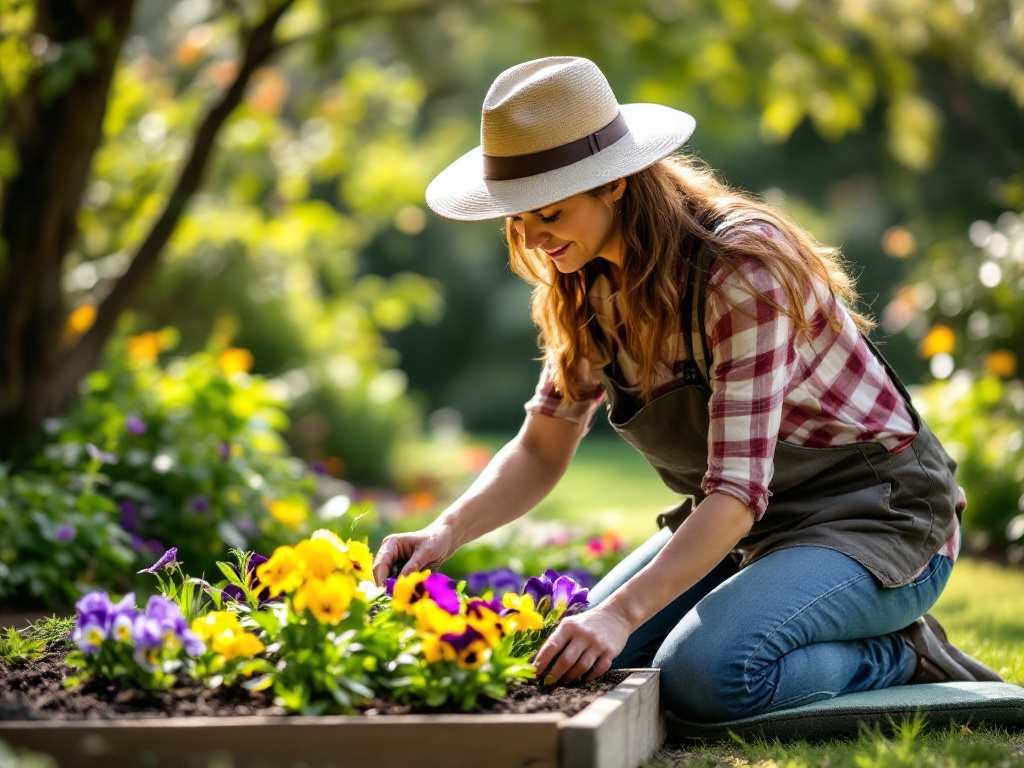
- Kneel on one knee with a straight back when working low, using a garden kneeler for support and cushioning.
- Always face your work directly and move your feet instead of twisting your spine when reaching for tools or plants.
- Transport heavy items with wheelbarrows or garden carts, keeping loads close to your body when lifting.
Essential Tools and Equipment for Safe Gardening
When it comes to protecting your spine while gardening, having the right tools and equipment is essential for preventing unnecessary strain and potential injuries. You’ll want to invest in long-handled tools, such as rakes, hoes, and pruners, which will help you maintain an upright posture and reduce the need to bend. A sturdy garden kneeler that doubles as a seat can provide vital support when you’re working close to the ground, while a rolling garden scooter allows you to move easily without twisting your spine. Don’t forget to take into account ergonomic hand tools with cushioned, non-slip grips that’ll help reduce wrist strain and maintain proper alignment. For heavier tasks, a wheelbarrow or garden cart with large wheels will make transporting materials much easier on your back.
Proper Body Mechanics While Weeding and Planting

The proper positioning of your body during weeding and planting activities can make the difference between an enjoyable gardening session and days of back discomfort. When you’re working close to the ground, remember to kneel on one knee while using your opposite hand to support your upper body weight, which helps maintain proper spinal alignment and reduces strain on your lower back.
For tasks that require repeated movements, such as pulling weeds, position yourself as close to the work area as possible, keeping your spine straight and your shoulders squared. Don’t twist your torso while working; instead, shift your entire body to face the area you’re tending to. If you need to reach for something, move your feet rather than extending your arms, which can prevent unnecessary stress on your back muscles.
Smart Lifting Techniques for Soil and Heavy Items
Moving heavy items in your garden requires careful attention to proper lifting techniques, which can greatly reduce your risk of spinal injury and strain. When lifting bags of soil or heavy containers, position yourself directly in front of the object, keeping your feet shoulder-width apart for ideal stability. You’ll want to bend at your knees while maintaining a straight back, and grip the item firmly with both hands. As you lift, engage your core muscles and push up through your legs, not your back. For particularly heavy items, don’t hesitate to use a wheelbarrow or garden cart, and if an object feels too heavy, break it down into smaller portions. Remember to keep the load close to your body throughout the lifting motion.
Creating an Ergonomic Garden Layout
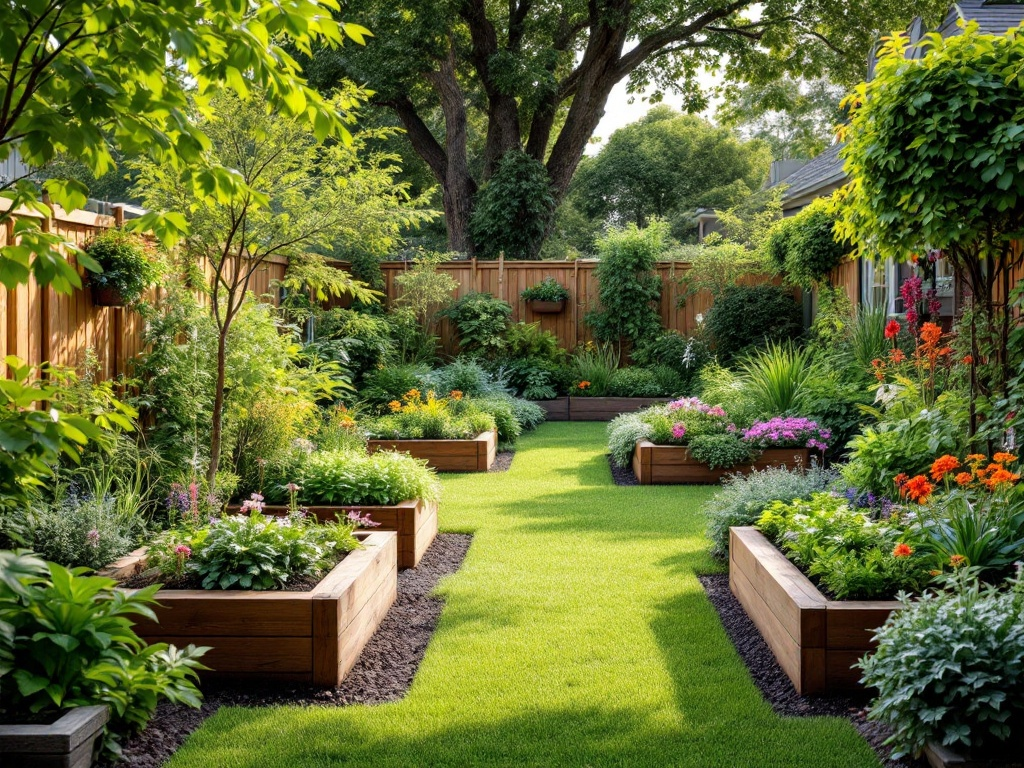
Designing your garden with ergonomic principles in mind can greatly reduce the physical strain on your spine while maximizing your gardening efficiency. By carefully planning your layout, you’ll create a space that’s both beautiful and accessible, minimizing the need for excessive bending or stretching.
- Position frequently accessed plants and tools within your “comfort zone,” which extends from your mid-thigh to chest height, reducing the need to reach or bend unnecessarily
- Install raised beds at 24-36 inches high, allowing you to maintain an upright posture while tending to your plants
- Create wide, stable paths between garden beds that accommodate wheelbarrows and garden carts, making it easier to transport heavy items without straining your back
Consider incorporating vertical gardening elements, such as trellises and wall-mounted planters, to bring more plants within easy reach.
Alternative Gardening Methods for Back Pain Prevention
Beyond traditional garden layouts, innovative gardening methods can greatly reduce strain on your spine while maintaining your connection to nature. Vertical gardening systems, using trellises and wall-mounted planters, allow you to tend to your plants at eye level, eliminating the need for constant bending. Container gardening on raised platforms or tables provides easy access to your plants while keeping your spine in a neutral position. You’ll find that hydroponic systems, which can be set up at waist height, offer an excellent alternative that minimizes physical strain. Square-foot gardening in elevated beds lets you maximize your growing space while maintaining proper posture, and tower gardens enable you to grow vegetables and herbs vertically, reducing the physical demands of traditional gardening methods.
Frequently Asked Questions
How Long Should I Garden Before Taking a Break to Protect My Spine?
Like clockwork, you’ll want to pause your gardening every 15-20 minutes to stretch and change positions. Don’t wait until your back snaps at you – taking regular breaks keeps your spine happy.
Can Wearing a Back Brace While Gardening Help Prevent Spinal Injuries?
While a back brace can provide temporary support, don’t rely on it long-term as it may weaken your core muscles. Instead, focus on proper posture and lifting techniques to protect your spine.
Is Morning or Evening Gardening Better for People With Existing Back Problems?
Morning gardening is your best choice when you’ve got back problems, since your spine’s more flexible after rest. However make sure you’ve given yourself at least 30-40 minutes to warm up and get moving before you begin.
Conclusion
Like a well-tended garden that flourishes with proper care, your spine will thrive when you’ve implemented these mindful gardening practices. Using ergonomic tools, maintaining proper posture, and creating an accessible garden layout aren’t just practical steps – they’re investments in your body’s long-term health. As you nurture your garden’s roots, you’re also strengthening the foundation of your own well-being.